The Law of the Lord

The day before I started the first full week of my new job, I walked and prayed for the Lord to take away my anxiety. He reminded me of all He’s done in my life and everything I’ve accomplished with His guidance and help. He has always been there, the ever-present constant. I have been the variable that has changed from one situation to the next. Sometimes I’ve trusted and other times I was overcome by fear. As I prayed this time, I had to decide who I want to be: a light for the Lord or a person who cowers in fear. After that day I went to work with the determination not to be anxious but to learn and try to the best of my ability. It doesn’t mean there aren’t trials and obstacles. It means that when those moments come, I choose to trust the Lord to help me through them and also ask for help. He has blessed me with a great team of people who are quick to provide assistance and guidance. I just have to be willing to ask.

A routine I’ve started each morning to help with anxiety and to get my mind right is reading the Psalms. The Psalms remind me of the humanity of each author as he faces trials and experiences moments of thanksgiving and joy. Even when there is despair, there is often a recollection of the Lord’s lovingkindness, strength, and wisdom. One of the Psalms I read this past week that stood out to me is Psalm 19, particularly verses 7-14 (NASB1995):

7 The law of the Lord is perfect, restoring the soul;

The testimony of the Lord is sure, making wise the simple.

8 The precepts of the Lord are right, rejoicing the heart;

The commandment of the Lord is pure, enlightening the eyes.

9 The fear of the Lord is clean, enduring forever;

The judgments of the Lord are true; they are righteous altogether.

10 They are more desirable than gold, yes, than much fine gold;

Sweeter also than honey and the drippings of the honeycomb.

11 Moreover, by them Your servant is warned;

In keeping them there is great reward.

12 Who can discern his errors? Acquit me of hidden faults.

13 Also keep back Your servant from presumptuous sins;

Let them not rule over me;

Then I will be blameless,

And I shall be acquitted of great transgression.

14 Let the words of my mouth and the meditation of my heart

Be acceptable in Your sight,

O Lord, my rock and my Redeemer.

Prior to these verses, David writes about how creation itself tells of the glory of the Lord. Then he proceeds to explain why we can trust in the Lord’s law to lead us into righteousness. What captured my attention were the adjectives. The Law of the Lord is perfect (v. 7); His testimony is sure (v. 7); the Lord’s precepts are right (v. 8); the commandment of the Lord is pure (v. 8); the fear of the Lord is clean (v. 9); His judgments are true, righteous, and more desirable than gold (vv. 9-10). Each adjective is followed by a participial phrase, explaining how God’s laws and judgments impact us. David (the author of this particular Psalm) doesn’t just share God’s goodness for its own sake (which is enough in itself) but how His goodness changes us. 

The Law of the Lord restores the soul (v. 7). When we’ve gone astray from God’s will, His law restores us back to obedience. The testimony of the Lord makes wise the simple (v. 7). Too often our culture thinks wisdom is marked by how much education one has. But the Lord has been gracious to not only give us His testimony in writing but in His very creation. All people have the opportunity to gain wisdom as they remember what the Lord has done–whether disciplining the wicked (Ex: plagues in Egypt) or liberating the righteous (Ex: winning battles against Israel’s numerous enemies)–and learning from those moments. The Lord proved Himself repeatedly to the Israelites, but many perished who walked their own way instead of trusting in His testimony. Those who remembered what the Lord had done and trusted Him were blessed.

The precepts of the Lord make the heart rejoice (v. 8). Whenever we think about rules, our first reaction is probably not to rejoice. Rules imply following someone else’s directions rather than our own. But David, the ruler of Israel, describes the Lord’s precepts as right, rejoicing the heart. What makes our hearts rejoice is that we don’t have to guess what the Lord wants. His precepts are to help us remain in right standing with Him, and because of this, our hearts rejoice. Many other religions have “gods” who want to be appeased. Other nations in the Ancient Near East even sacrificed their own children, or they mutilated themselves to try to make themselves right with their “god(s).” But the true, living God has given humanity righteous precepts to be a blessing, not a burden, to us. For He is not a god who is far off but has chosen to live within those who have made the decision to follow Him.

The commandment of the Lord enlightens the eyes (v. 8). When the world has blinded us from righteousness by declaring its own set of rules and guidelines, the Lord’s commandments help us to see clearly. While the world says to place our hope in man, one of the Lord’s commandments says to have no other idols whether that’s money, fame, a physical object, work, or anything that is placed above the Lord in our lives. Many of us are more guilty of this than we probably realize. We are also bombarded with messages from the world each day that it becomes easier to believe them when we fail to dwell on the Lord’s commandments. After Israel split into two kingdoms, it became more wicked in the northern kingdom as they forsook God’s commandments. But even the kings of Judah had lost their way. It wasn’t until the reign of King Josiah (2 Kings 22) that the book of the law was found after many years of being lost. When the book was read to Josiah, he responded by tearing his clothes (as a sign of humility and mourning) and commanded men he trusted to inquire of the Lord concerning the words of the book (vv. 11-13). He said, “for great is the wrath of the Lord that burns against us, because our fathers have not listened to the words of the book, to do all that is written concerning us” (v. 13). The result was that the Lord would bring evil on them because the people have forsaken Him, but because Josiah humbled himself after hearing the words, the Lord gave him peace the rest of his days. King Josiah also made reforms in response to the commandments in the law (2 King 22:16-23:27). The people thought they were doing right until God’s law was revealed. These commandments opened King Josiah’s eyes to see the wickedness around him and responded with sincere reverence and humility before the Lord. While the law had been lost and then found, God still held the people accountable. They were the ones who asked for a king when God was already their King. Many times those kings led the people astray, and even when a righteous king came to power, not everything was made right until Josiah. How much more are we held accountable when we have the law of God at our fingertips and choose to ignore it? Will we choose to be blind or to have our eyes enlightened to the truth of God even if it means humbling ourselves and making changes?

The fear of the Lord is clean, enduring forever (v. 9). At first I was surprised to read the word translated as “clean” to describe the fear of the Lord, but as I dug a little deeper, the meaning of “clean” came to be understood as “undefiled” or “uncontaminated” in a spiritual sense, leading to the idea of holiness. Because it is undefiled, it will not decay, causing it to endure (or stand) forever. I believe a clear distinction is between fearing God or fearing man. David often makes that comparison in the Psalms, and Jesus also says in Matthew 10:28, “Do not fear those who kill the body but are unable to kill the soul; but rather fear Him who is able to destroy both soul and body in hell.” When the Lord spoke to the people at Mount Sinai, they trembled at “the thunder and lightning flashes and the sound of the trumpet and the mountain smoking” (Exodus 20:18) and said to Moses, “Speak to us yourself and we will listen; but let not God speak to us, or we will die” (v. 19). Moses’ reply, along with what Jesus stated in Matthew, help us to understand the importance of fearing the Lord: “Do not be afraid; for God has come in order to test you, and in order that the fear of Him may remain with you, so that you may not sin” (v. 20). There are two uses of fear in this passage. The first is telling the people not to be terrified that they shrink back from the Lord. The second is telling the people to have the fear of the Lord to remain with them so they do not sin. To fear the Lord means to remain in righteousness just as a child fears a loving father who disciplines his children when they do wrong. That discipline leads to repentance which leads to righteousness. Jesus, the Son of God, clearly states that it is the Lord who destroys both body and soul of those who have chosen not to fear Him. Too often people exchange “respect” for the word “fear” because it sounds nicer, but that is not accurate. The Lord chose to speak to the Israelites and show a glimpse of His glory so that they would not sin. They were truly terrified. “Respect” does not induce the same kind of fear. But if one maintains the fear of the Lord that keeps himself or herself from sinning, then he or she will endure with the Lord forever no matter what man tries to do. The fear of the Lord has eternal rewards. The fear of man is temporary, leading to a false sense of security.

The judgments of the Lord provide warnings and lead to great rewards by those who keep them (vv. 9-11). When we think of judgment, we don’t often get warm, fuzzy feelings. But Scripture describes the Lord’s judgments as true, righteous, more desirable than gold, and sweeter than honey. His judgments aren’t tainted by human error and emotion. He also provides opportunities for change and gives warnings. When Israel asked for a king, He gave them what they wanted but not before telling them exactly what would happen in 1 Samuel 8:10-18. However, the people refused to listen and asked for a king anyway. In 1 Samuel 12, Samuel reminded the people of past choices made and the outcomes for their rejection of the Lord. In sharing this he made it clear that if the people and the king fear the Lord and follow Him, the Lord will be with them. But if they do not fear Him, He will be against them. As generations went on, God’s judgments were righteous as the people took turns rejecting and repenting. We don’t want a Judge who is biased but who upholds His law for the sake of righteousness. Are we willing to submit to His authority and listen to His warnings so that we can be in right standing with Him?

In Psalm 19:12-13, David not only asks the Lord to acquit him from hidden errors–sins unknowingly committed–but also to keep him from presumptuous sins. These are sins committed with a person’s full knowledge of what he or she is doing. In other words, they are acting in rebellion to God’s commandments. David writes that he does not want his sins to rule over him so that he will be blameless before the Lord. What keeps our sins from ruling over us is following the Lord’s commands and fearing Him as this particular Psalm describes. The Lord is both loving Father and an all-consuming fire.

The final verse brings back memories as it was the benediction after every chapel during my undergraduate years: “Let the words of my mouth and the meditations of my heart be acceptable in Your sight, O Lord, my rock and my Redeemer” (v. 14). While constant repetition of a passage can lead to lack of meaning, reading this verse again in light of verses 7-13 restores the appropriate response. When our hearts and minds are fixed on the Lord’s commandments that lead to righteousness, our words and thoughts should be a reflection of those precepts. The Lord delights when we dwell on the truth of His Word and our actions show it. We are a people without excuse, and we are a church in danger of the consequences of ancient Israel. Too often we forsake the Lord’s commandments for more palatable translations that allow us to maintain our sinful tendencies. We listen to people who tickle our ears rather than be convicted by the Lord’s double-edged sword: His Word. Will we be a church who fears the Lord who can destroy the soul, or will we ignore the numerous warnings and seal the fate of our own downfall? The Lord’s judgments are not hidden or encrypted. They are clearly stated, and as an effective Teacher, He has given us many examples of what we should and should not do. We have one choice to make as the body of Christ: Will we follow the law of our King, or will we be a church of anarchists?

©Lauren Demuth

Anxiety

It’s been awhile since I’ve written a poem/song, and I wanted to share my most recent one with you. I’ve struggled with anxiety for quite a bit of my life but more intensely over the last few years. I’m grateful to the Lord for helping me wrestle through it. Writing about it helps and reminds me that I am a daughter of the King no matter what the enemy’s lies may say. I hope you are encouraged listening to it as I was when writing it.

*All lyrics are original, but the music and voice was created by Suno AI.

Lyrics

[Verse 1]

Too many thoughts in my head.

I can’t get out of bed.

I get lost in my mind.

Who will I be this time?

[Verse 2]

Anxiety is killing me.

It changes who I want to be.

Fear takes over; doubt takes hold.

Oh Lord, heal this wounded soul!

[Chorus]

I want to be free like You made me,

Like an eagle soaring

Through life’s regrets and choices made,

Following my Savior as anxiety fades.

[Verse 3]

I walk with my head downcast

Weighed down by the sins of my past.

Anxiety whispers lies deep inside:

“It would be better if you had died.”

[Verse 4]

But light breaks forth from the Lord

As He slices the lies with His double-edged sword.

The truth of His Word pours like living water:

I am the true King’s daughter!

[Chorus]

I want to be free like You made me,

Like an eagle soaring

Through life’s regrets and choices made,

Following my Savior as anxiety fades.

[Bridge]

I was meant to live,

Meant to dream,

Meant to delight,

In the King.

Hope will never fade away,

But I must trust and obey

For the King desires my loyalty;

Only Him will I seek.

[Chorus]

I want to be free like You made me,

Like an eagle soaring

Through life’s regrets and choices made,

Following my Savior as anxiety fades.

[Verse 5]

He destroys the lies within,

Reminding me of who I’ve always been:

A chosen daughter with all my flaws,

Redeemed by the blood of the cross.

[Outro]

Anxiety can no longer have a hold

Because I know now I must be bold

To face the enemy with everlasting truth

That in Christ I will win and he will lose.

© Lauren Demuth

Recognizing the Answer

“I DID find it! I just didn’t realize what I was looking for!” 

After three hours of searching through a large box of Lego pieces to find a back piece of a helmet for my son (talk about finding a needle in a haystack), I felt a bit defeated. I didn’t think I had found the right piece. One thing I had forgotten to do was look at a model already built to make sure I was looking for the right part. I had an idea in my mind what it was supposed to look like, but when I looked at the completed models, I realized I was wrong. I was prompted to look again in the bag set aside for all the “people parts” we found. Sure enough, I had found the right part–I just didn’t realize it in the moment.

~~~

How many times have we prayed for something, but we already had it in our minds what the answer would look like? When we don’t see it, we believe our prayer was unheard or unanswered. Too often we forget that God’s Word is full of prayers answered, just not the way we humans expected them to be: a worldwide flood, Sarah’s pregnancy at 90 years old, Joseph being sold into slavery, the Hebrews in slavery in Egypt, the plagues of Egypt, crossing the Red Sea, manna, the Lord speaking to His people from Mount Sinai as they cowered in fear, the earth opening up to swallow the people who challenged the Lord’s anointed–and that’s just a few instances within the Torah. Throughout the Old Testament it seemed all Israel would do is disobey and rebel even when prayers were answered. In the past I would shake my head in dismay at the Israelites and ask, “How could they do such things after all they’ve seen?” Now, after getting older and making more mistakes, I read the same stories and say, “Oh Lord, how many times have I also forgotten what You’ve done for me, and yet You still forgive?” We are not so far removed from the ancient Israelites as we’d like to think.

The Israelites had been crying out for a Savior for over 400 years in Egypt, but when Moses first appeared at the Lord’s command (even though he also was afraid), they rejected their answered prayer when Pharaoh would not relent and made the work harder for the Hebrews. But God persisted, and He showed them– and the whole world– His power and might. They eventually were freed, but all too quickly they grumbled because they were hungry in the wilderness. They were willing to go back to being slaves and following what was familiar rather than trusting God. But even in that, God persisted. He provided manna and meat–all they had to do was gather the amount the Lord commanded. When they grumbled about water, the Lord provided even though they said to Moses, “Why, now, have you brought us up from Egypt, to kill us and our children and our livestock with thirst?” (Exodus 17:3). The Lord even allowed the Israelites to hear Him speak from the mountain (Ex. 19:9-20:20) so that they would know He is the Lord God and that He has chosen Moses. The Lord spoke the Ten Commandments to all the people, but the people were so terrified that they said to Moses, “Speak to us yourself and we will listen; but let not God speak to us, or we will die” (Ex. 20:19). To this request Moses responded, “Do not be afraid; for God has come in order to test you, and in order that the fear of Him may remain with you, so that you may not sin” (Ex. 20:20). But it wasn’t long after that when Moses went on the mountain to meet with God that the people decided to make a golden calf to worship (even though the Lord told them directly to not make any idols). They went back to Egypt in their hearts instead of trusting the Lord they claimed to fear. They had asked for a Savior, but when they got one, they kept searching for other things to fulfill what they thought they needed.

The Israelites are often described in Scripture as disobedient and obstinate people because the Lord tells them exactly what to do to be in right-standing with Him, but they often reject it. Before Moses dies, he recounts to the Israelites–the new generation– of all the Lord has done since leading them out of Egypt. As they are about to enter the Promised Land, he reminds them three times in Deuteronomy 9:4-6 that the victories they will have over their enemies is not because of their righteousness but because of the wickedness of the people of the land. The Lord’s actions are to confirm His oath to Abraham, Isaac, and Jacob regarding the land and their inheritance (v. 5). Through Moses, the Lord makes it abundantly clear that He is the faithful one and any action against the Lord, such as serving other idols, will result in death. And there was a lot of death for the Lord is holy, and Israel was set apart to be a holy nation; therefore, the only way to maintain holiness is to get rid of wickedness. Yet no matter how obstinate Israel became, the Lord continued to be a Father to them so that they could learn the right way:

“He humbled you and let you be hungry, and fed you with manna which you did not know, nor did your fathers know, that He might make you understand that man does not live by bread alone, but man lives by everything that proceeds out of the mouth of the Lord. Your clothing did not wear out on you, nor did your foot swell these forty years. Thus you are to know in your heart that the Lord your God was disciplining you just as a man disciplines his son. Therefore, you shall keep the commandments of the Lord your God, to walk in His ways and to fear Him.” Deuteronomy 8:3-6 (NASB)

In Hebrews 12, the writer reminds Jewish Christians of the same lesson in discipline in verses 5-6 (quoting Proverbs 3:11-12):

“My son, do not regard lightly the discipline of the Lord,

Nor faint when you are reproved by Him;

For those whom the Lord loves He disciplines,

And He scourges every son whom He receives.”

The passage in Hebrews continues with the importance and necessity of discipline, “so that we may share His holiness” (v. 10). Is this not the same lesson He was teaching the Israelites as they came out of Egypt? The reward is also the same: “All discipline for the moment seems not to be joyful, but sorrowful; yet to those who have been trained by it, afterward it yields the peaceful fruit of righteousness” (v. 11). Righteousness, the ultimate goal that sets us apart, can only be obtained through discipline. Discipline is not a one-time moment but an intentional, ongoing practice in order to reach a specific goal. I believe this is why we struggle with it and why we often miss this as an answer to prayer. We often don’t like answers that aren’t an instantaneous result. Can God provide instantaneous results? Yes! Has He done that before? Absolutely! And any time He has or does, it’s for His glory, not ours. Yet most of the time, discipline is the answer. 

Without disciplining ourselves in studying His Word, how will we know truth? Without disciplining ourselves in prayer, how will we know His voice? Without disciplining our minds, how can we combat the enemy? Without disciplining our emotions, how can we act with wisdom and understanding? Without disciplining our flesh, how can we let go of sin in our lives? Without disciplining our desires, how can we be obedient to God’s will? While we may be like the ancient Israelites in many ways, we have the benefit of learning from their mistakes. Many of the answers to our prayers are right in front of us–but we can’t recognize them if we don’t examine the completed model first: God’s Word of truth.

~~~

To go back to my Lego story, I spent time feeling defeated because I didn’t take the time to find out what I was actually looking for. I was looking for what I imagined the part to be when all the time I had already picked it up, examined it, and set it aside to keep searching. In my Christian walk, I’ve prayed about many things and some answers have been obvious whereas many others seemed unheard or unanswered. But the Lord is so gracious to give us His Word which is truth. Any time I’ve stopped following my own idea of what an answer should look like and took time to study God’s Word, it never fails to encourage and admonish me in the right direction. The truth about trusting the Lord, knowing that He is always faithful, should always be at the forefront of my mind with each situation I face. His will is to discipline me to grow in His truth so that I can be righteous. It is not always pleasant–often it’s the opposite as Scripture says (Heb. 12) – but if I allow Him to work in me, there is only a reward and not a failure. The Word of God is the complete model so if I seek His truth first, I’ll be able to recognize His answer.

© Lauren Demuth

I Don’t Have to Know the Why

I’ve been avoiding writing this post. I’ve avoided it because I know I will be held accountable just like I am for everything else I write. Accountability is good, but needing to know the “why” to things is a huge struggle, and honestly, letting it go has been a hard ongoing process. As humans, we are naturally inquisitive and want to know why things happen in nature, in our brains, in our bodies, in our relationships, in everything. Curiosity is not a bad thing. It’s led to amazing inventions and innovations that have brought us to our modern era. I could say that I’m just curious about why things are happening in my life and justify asking “why,” but the truth is, it’s more about control than curiosity. I like routines, plans, and clear communication. That makes me a good worker and small business owner. But if something out of the ordinary happens or plans change all of a sudden, my ability to adapt quickly and with a good attitude is lacking. Control slips away and emotions take over, which can lead to some regrettable aftermath.

Right now I’m dealing with a small business that basically flipped within a day due to irreconcilable decisions made by an online platform. I’ve spent almost two months filling out applications, taking any remote work I can get while applying for more stable jobs, doing the few shop orders that come my way, and interviewing for one job so far. The Lord was gracious to direct me in a certain direction for potential jobs but also shared for me to not be discouraged if it takes longer than I hope. And it’s taking longer than I hoped. I’m also trying to prepare for a possible court situation and found out quickly that a lawyer just isn’t feasible due to expensive costs. 

The problem is that I get too focused on what’s not happening (or the way I want them to happen) rather than what is, and I spend time doing things to create a sense of progress because I can’t justify any kind of rest. This is not the right approach, and in my spirit I know it. The Lord has never left me nor forsaken me no matter how many mistakes I’ve made. He’s giving me an opportunity to listen, hear His voice, be patient and wait on His timing. And right now I’ve been the nagging child asking, “Why, why, why?” I want to know the “why” because I want to be in control. I want to provide. I want a sense of purpose. I want to feel important. All this leads to one conclusion: pride. This is my thorn in the side, but unlike Paul who had to keep his, God is giving me the opportunity to change it and get rid of it. I have to choose to pull the thorn out.

Do I have faith that God will do what He said He would do? Do I have faith that He will provide? Will I be content where I am at this moment? Will I take joy in what the Lord has given me: His Word, a family, shelter, food, water, clothing, a garden producing fruit, animals for eggs and meat, land, transportation, electronics, and places to walk to find peace? Will I let go of what others might think about me and hold onto the Lord’s truth in my life? I’ve been praying for God to help me change, but I’ve been resisting the change, falling back into old ways while hoping for a different result. That’s not how it works. In truth, I have an abundance not because I was good enough to get it, but because God has been gracious to bless it. But blessings can be taken away if faithfulness turns into pride trying to take control.

God teaches us so much about Himself when we become a parent or guardian. As children we want to know “why” and think our parents are keeping us from having fun or doing what we want. As we grow up, we realize that we’re protecting our kids or trying to teach them lessons that they may not fully understand until they mature. We want them to trust us because we have gained wisdom along the years and want to help them avoid mistakes or getting hurt. The phrase we all laugh about is that when children say, “Why?” parents like to say, “Because I said so.” We are in authority and expect our children to listen. In the same way, our Heavenly Father, the Creator of all things, loves and disciplines us with the expectation that we understand His authority and know that all He does in our lives is for our good if we place our hope and trust in Him. Control is a self-delusion because the Lord is always in control. That doesn’t mean we don’t make choices or our own mistakes. But in the grand scheme of life, His will is the only constant.

Colossians 3:17 is the verse I’ve chosen to be aligned with my business, and it says, “Whatever you do in word or deed, do all in the name of the Lord Jesus, giving thanks through Him to God the Father.” I could be homeless or the highest paid CEO, but if I forsake the Lord in what I do or say, it’s all for nothing. The Lord is not impressed by what job I do, but who I am and who I’m becoming as a believer in Him. I’ve been asking the Lord to help me bear fruit, and right now I’ve been uprooted from where I was and am being replanted somewhere new. Transplants take time, but eventually they grow back strong with the right care and nutrients. I just have to trust that my Master Gardener knows the right place for me.

© Lauren Demuth

To Live or To Doubt?

“But if any of you lacks wisdom, let him ask of God, who gives to all generously and without reproach, and it will be given to him. But he must ask in faith without any doubting, for the one who doubts is like the surf of the sea, driven and tossed by the wind. For that man ought not to expect that he will receive anything from the Lord,  being a double-minded man, unstable in all his ways.” James 1:5-8 (NASB)

“Many are the sorrows of the wicked, But he who trusts in the Lord, lovingkindness shall surround him. Be glad in the Lord and rejoice, you righteous ones; And shout for joy, all you who are upright in heart.” Psalm 32:10-11

About seven years ago I made a career decision based on the emotions I was experiencing in that moment of my life. I accepted the position before I asked the Lord, believing that I was doing the right thing. Not long after that I began to dread that decision which also coincided with other changes going on in my life at the time. I started to feel anxiety like I hadn’t felt before, and it mentally crippled me to the point where I quit. I was ashamed of myself and all the people I let down, especially my family. I fell into a pit where I believed I belonged because of my failure. It felt like I became fear itself, having no confidence in any task I did. Sometimes I look back on that time and feel embarrassed, but then I’m always reminded of the grace of God. When I reached out to Him even in my shame, He pulled me out of that pit. It was only by His love, grace, and mercy that saved me. 

Part of the problem was that I never let myself fail before because I chose to do things that were within my comfort zone. I grew up with the mindset that failure is not an option. But I realize now that such a mindset is prideful thinking. How can I grow without failure? I learn a lot from gardening because I see how my garden has grown now compared to where it was a few years ago. There is always a new approach or design or change each year to help improve based on past failures. Nothing is ever going to be perfect, and it’s time I learn to rejoice in the imperfections because God still chooses to use them.

I now find myself in another position of change. I thought success was headed in one trajectory, but then it halted almost as quickly as it came. My first instinct was to think that I’ve failed in some way, but this time I had been praying and asking God for direction rather than trying to make decisions on my own. He even was so kind as to give me a heads up that changes were coming. But in full honesty, this change is quite a test for me. I’ve had to be reminded that in the moments where I have taken a leap of faith in my life, the Lord has blessed them. Every time. And yet, I still have doubts creeping into my thoughts. I still worry about what others think. But there’s no excuse for it other than I’m choosing flesh over Spirit when I do that. I’m choosing not to trust God and instead wallow in doubt.

I’ve learned over the years that I need to be honest with myself and not seek shallow encouragement from others. Encouragement is a good thing, don’t get me wrong. I’m referring to my own motives. Do I want to hear the actual truth and be encouraged to grow when it’s hard, or do I want people to encourage me because I’m feeling down that things aren’t going the way I hoped? In other words, do I want people to help me justify my wallowing? That is the wrong motive. Rather, I know what the Word of God says, and it’s staring me right in the face saying that if I ask God for wisdom or for anything that aligns with His will, I must ask “in faith without any doubting” (James 1:5-8) otherwise how can I expect to receive anything from Him? James continues to say that such a person who doubts is “double-minded” and “unstable.” Is that someone I want to be? Of course not! But the truth is, that’s what I’m choosing when I doubt. There’s no need to sugarcoat it or justify it in some kinder way. As Hebrews 4:12 says, “For the word of God is living and active and sharper than any two-edged sword, and piercing as far as the division of soul and spirit, of both joints and marrow, and able to judge the thoughts and intentions of the heart.” A two-edged sword is a great weapon, but it hurts when you’re on the receiving end of its purpose. Thankfully, this sword is not only meant to pierce and cut away what doesn’t need to be in my life, including doubt, but it also sharpens me if I accept the discipline.

I have to laugh at myself thinking of all the times I’ve asked God to help me become who He’s created me to be, and then I get upset when things start changing in my life. Using the garden analogy, a seed could remain a seed its whole life, but what would that accomplish? It’s meant to grow to make tens, hundreds, and even thousands more seeds after its own kind. It goes through many stages to reach that maturity, including withstanding storms, pests, and even rot sometimes. It requires water and sunlight to maintain growth, or it will die. A seed that stays in a bag in a closet won’t have to go through those things. It’s safe. But it never truly lives to bear the fruit it was created for. 

It can feel scary sometimes to be planted in unknown soil waiting for the right time to sprout. But I already have the Living Water and eternal Sunlight who gives me the strength and courage to weather the storms, fight the pests, and remove the rot. He is all I need to bear fruit. I just need to be willing to be planted where He chooses and trust that is the best place for me to grow. Each season may be different, but He never changes. Life is always changing, but He is the Solid Rock, the foundation on which I can stand even when everything else crumbles around me. It’s time to surrender my pride and doubt to become fully His and bear fruit for His kingdom.

© Lauren Demuth

Talking Out the Lies

Often the hardest battles are not on the outside but within. Some people can internalize an issue and come to a resolution. I am not that person. Most of the time I need to talk it out, write it out, sing it out– do something to get the truth out of my head and into reality. Lies creep in (or are sometimes ingrained in us), and they take root. The thing about most roots is that they don’t just stay in one direction. Rather, they spread out, creating a firmer hold. One lie doesn’t usually stay within one area of our lives, but it permeates throughout every aspect of our being, which can lead to doubt, self-loathing, and lack of confidence among other things. What I think about myself becomes what I think others think about me, leading to miscommunication and focusing on the world’s view rather than the Lord. It’s a vicious cycle that needs to end, and one way is to talk out the truth. Sometimes I do this by writing in my journal, but other times I need someone I can trust– who’s not afraid to point out the truth in love– to listen and point out the lies. And sometimes I need to write a blog post because I know the Lord will speak His truth and also hold me accountable for what I write (even when it’s not always fun to be held accountable).

In a spirit of honesty, there are times I want to believe the lies. That sounds crazy, right? Why would I want to do that? Because it gives me a sense of justification for my actions and frustrations. My flesh wants to feel the anger or sadness, but it is not real justification. Rather, it’s perceived as an easy way out of the situation while actually causing more pain to myself and those around me. As a Christian, I am called to resist my flesh and fight the lies even when it’s harder than giving in. I should know who I am and Whose I am:

“For the mind set on the flesh is death, but the mind set on the Spirit is life and peace, because the mind set on the flesh is hostile toward God; for it does not subject itself to the law of God, for it is not even able to do so,  and those who are in the flesh cannot please God.” Romans 8:6-8 (NASB)

“So then, brethren, we are under obligation, not to the flesh, to live according to the flesh—for if you are living according to the flesh, you must die; but if by the Spirit you are putting to death the deeds of the body, you will live. For all who are being led by the Spirit of God, these are sons of God.” Romans 8:12-14 (NASB)

Paul encourages the Philippians with the following words:

“Rejoice in the Lord always; again I will say, rejoice! Let your gentle spirit be known to all men. The Lord is near. Be anxious for nothing, but in everything by prayer and supplication with thanksgiving let your requests be made known to God. And the peace of God, which surpasses all comprehension, will guard your hearts and your minds in Christ Jesus. Finally, brethren, whatever is true, whatever is honorable, whatever is right, whatever is pure, whatever is lovely, whatever is of good repute, if there is any excellence and if anything worthy of praise, dwell on these things. The things you have learned and received and heard and seen in me, practice these things, and the God of peace will be with you.” Philippians 4:4-9 (bold type added for emphasis)

It all comes down to the same choice: flesh versus Spirit. There is no room for excuses or self-justification. I either act and think according to the flesh or according to the Spirit. The enemy wants me to doubt what God has called me to do. He wants me to fail and to see myself as a failure. He wants me to believe the lies that lead to miscommunication with others, splintering relationships. He wants to get me alone with my thoughts because that’s where his battleground is strongest. Even after being a Christian for many years, I still need to hear the question: Does God say or think that about you? It’s yes or no. If it’s “no”, then the only other option is the enemy. When I can identify the “who” then I can address the situation with truth in mind. I am the hardest on myself, and I’m sure I’m not the only one who struggles with that. But as a Christian of about 30 years, it’s time for me to grow up spiritually and act on God’s truth first instead of desiring my fleshly justification.  

As I started reading through the Old Testament again, I recently read through God’s deliverance of Israel from Egypt in the book of Exodus. It’s easy to think harshly of the Israelites as they grumbled in the wilderness, saying they’d rather go back to Egypt when they were facing trials. They had just experienced multiple miracles of the Lord, and yet they dared to grumble. But then that still small voice says to me, “You do that, too.” Oh the patience and lovingkindness of the Lord! How many times have I been on the mountaintop, trusting in myself, and then in the valley, wondering where God is? Or in truth, did I need the valley to bring me back to Him? And that is the love of the Father, who gives me what I need and not what I want. What I want does not always align with His will, and if I truly desire His will, my contentment shouldn’t change whether I’m on the mountain or in the valley. What’s beautiful is that He’s there in the midst of it all, never leaving or forsaking, as long as I am reaching for Him and desiring Him.

This world offers many things, but at what cost? I serve a God who gave it all so that I could be with Him, my Creator, for eternity. He is not a tolerant God, but He is patient (2 Peter 3:8-9). He is both wrathful and loving, fierce and gentle, disciplinary and comforting. He is the All in all, the Alpha and Omega, the Redeemer, the Savior, the Judge, the Almighty, the Holy One. If I talk out the lies, He will remind me that He is Truth, and that I am His. Let my anger be righteous against the enemy and not against His children. Let His love permeate through Me to others. Let my life be a testimony of God’s goodness. Let His truth reign in me and in all of us who call ourselves by His name, which is the name above all names: Jesus Christ (Philippians 2:9).

Talk out the lies and let His truth fill you.

© Lauren Demuth

Newness of Life

Today, we celebrate the greatest moment in time: Christ’s resurrection. What seemed dead and hopeless on the cross became our salvation when He defeated death once and for all. We await our eternity with Him because of what we celebrate today. We are blessed to have His truth in the written Word, but God has placed His truth in His creation as well (Romans 1:20). What seemed dead just a season ago has come to life again, bringing joy in its beauty and fruit. In our own seasons of life, we experience both pain in suffering and joy in blessing. We serve a King who understands what it means to live a human life. He comforts us in our sorrow and rejoices in our choices to produce fruit. He is patient and willing to forgive when we’ve sinned against Him, and He is willing to discipline us to shape us to become more like Him, bearing fruit for the kingdom of God.

As I walked around my home and took time to enjoy God’s creation, I was amazed at the details He made in each plant and creature. No matter how many years I see the process, it never gets old. The wind blew strong at times, but if the roots were strong, the plant could withstand it. Yet in the distance, I could hear a crack in the woods, resulting in a dead tree laying across the path. Death and life portrayed in one moment. It left me to ponder who I will choose to be. Will I let myself die spiritually and be uprooted? Or will I be willing to face what life has to offer and bear fruit even through the strongest of storms? I serve a Savior who went through it all, and the Father raised Him back to life. No matter what I go through, if my trust is in Him as Jesus’ was, what do I have to fear?

I’m thankful that the Lord has given me a joy for His creation because it has taught me–and continues to teach me–so much. I’m also thankful to be inspired by His Word of truth to write poems and songs that I pray will bring honor and glory to Him.

Here are some poems turned into songs to celebrate seasons of life and Christ’s sacrifice for our sins:

Beauty in His Blood

Seasons Change

Love Divine

Here are some pictures from my nature walk around the house and in the garden 🙂 Hope you enjoy them and that they remind you of the newness of life we have in Christ.

Sage about to bloom
Rosemary in bloom
Sage about to bloom
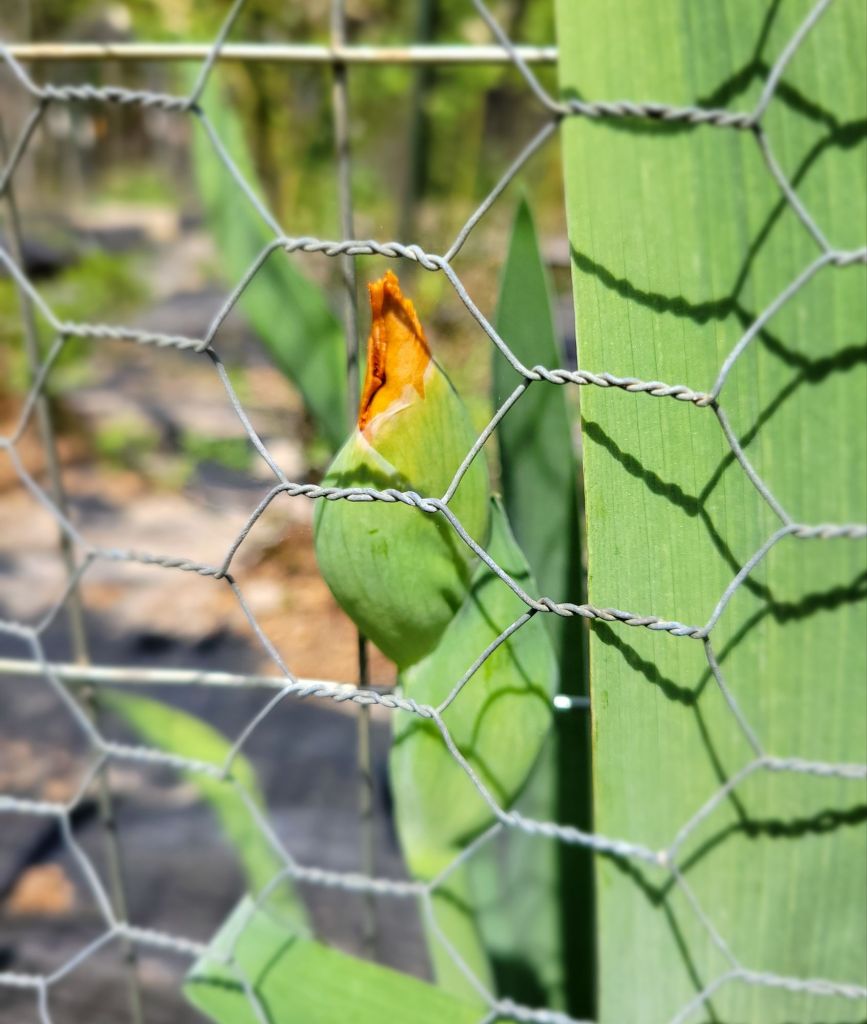
An iris about to bloom
Dandelion ready to spread its seeds
Another iris about to bloom
Rose
Rose
Rose
Rose
Rosemary in bloom
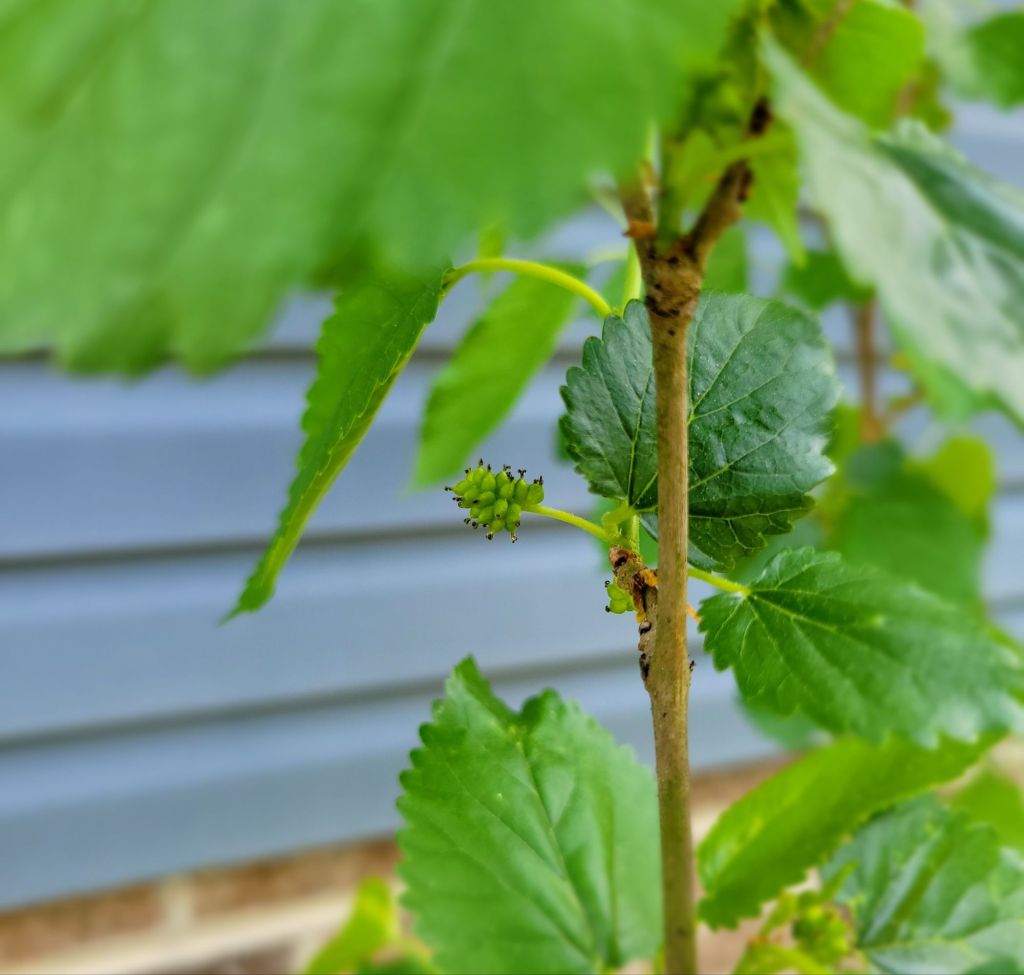
Mulberry tree growing fruit
Another iris about to bloom
Cluster of blackberry buds getting ready to bloom
Echinacea flower
Sage with a green garden spiders (these particular spiders love my sage plants)
Yellow Wood Sorrel
Hibiscus starting to leaf
Strawberry starting to grow
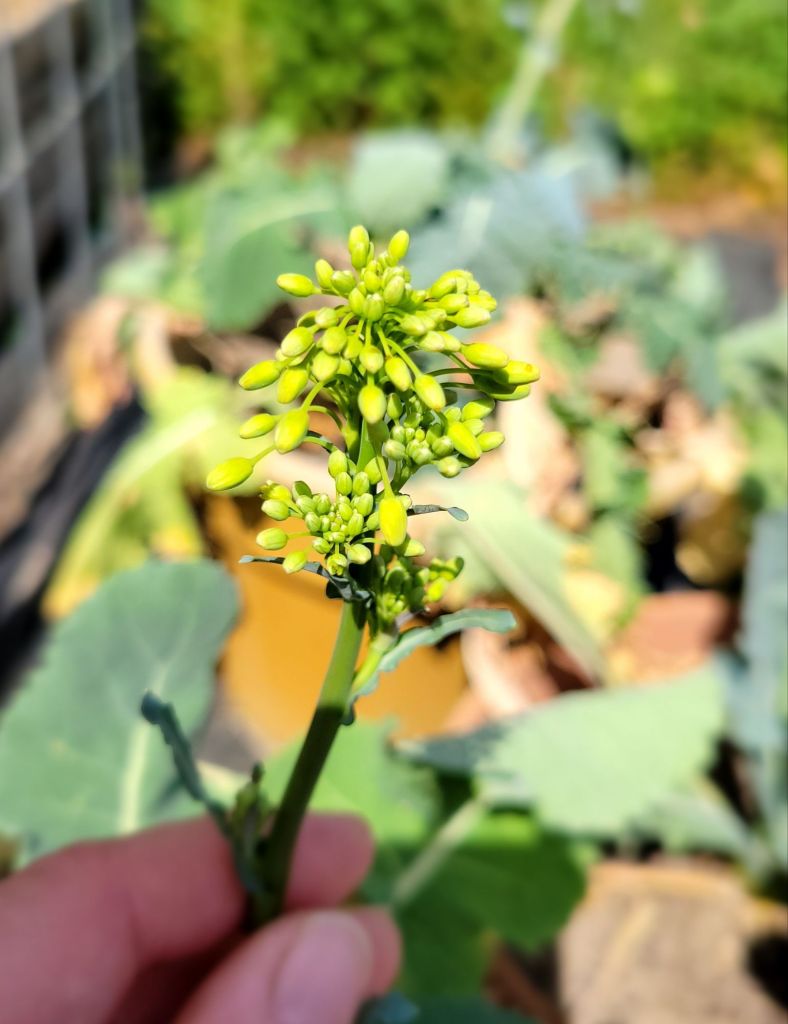
Mustard greens in bloom
Wild violet that likes to grow out the sides of my raised beds
Crimson clover
Crimson clover
Crimson clover
Crimson clover
Arugula in bloom
Borage
Borage
Collards about to bloom
Cluster of blueberries growing 🙂
Blackberry blossom
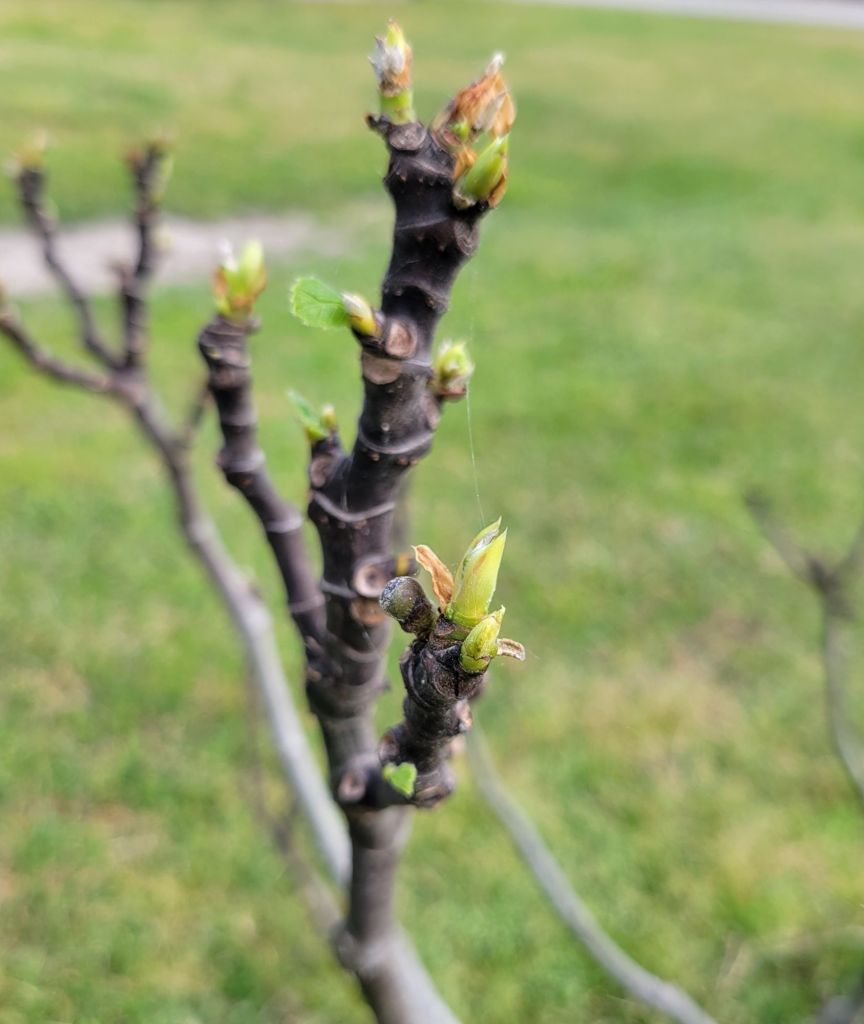
Fig leaves starting to come out
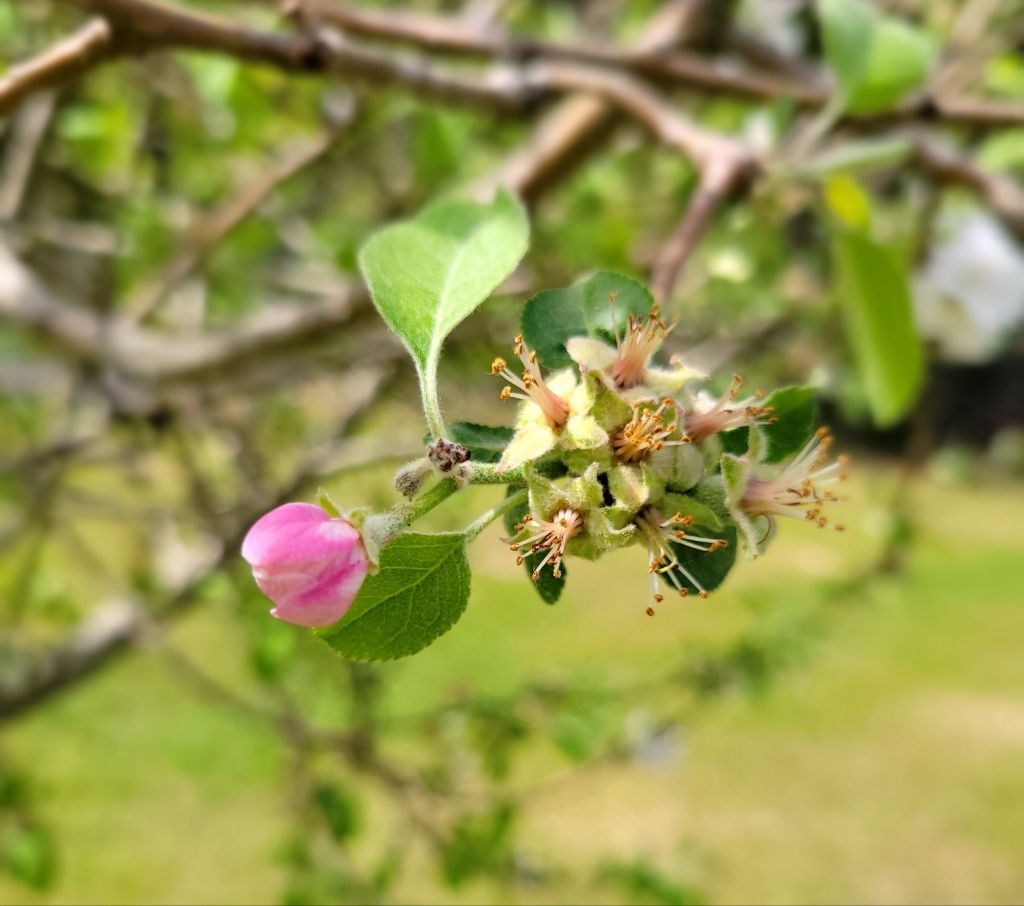
Apple blossom (smells so good!)
Apple blossom
Apple blossoms
Apple blossom
Pear starting to grow
Ground ivy in bloom (beautiful design and the leaves smell wonderful when you step on them)
Ground ivy in bloom
Ground ivy in bloom
Elderberry clusters growing (transplanted from a nearby ditch within the last couple years- it’s getting huge!)
Elderberry clusters growing
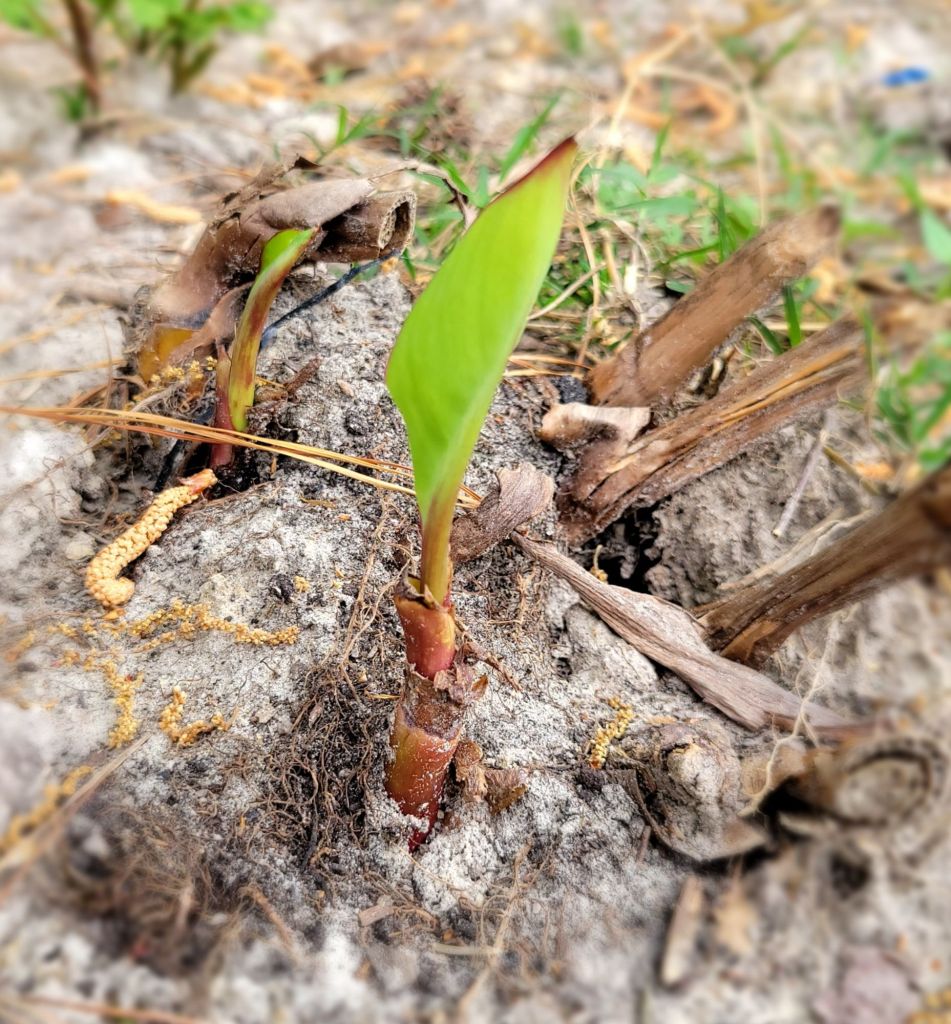
Canna lily growing

Canna lily growing
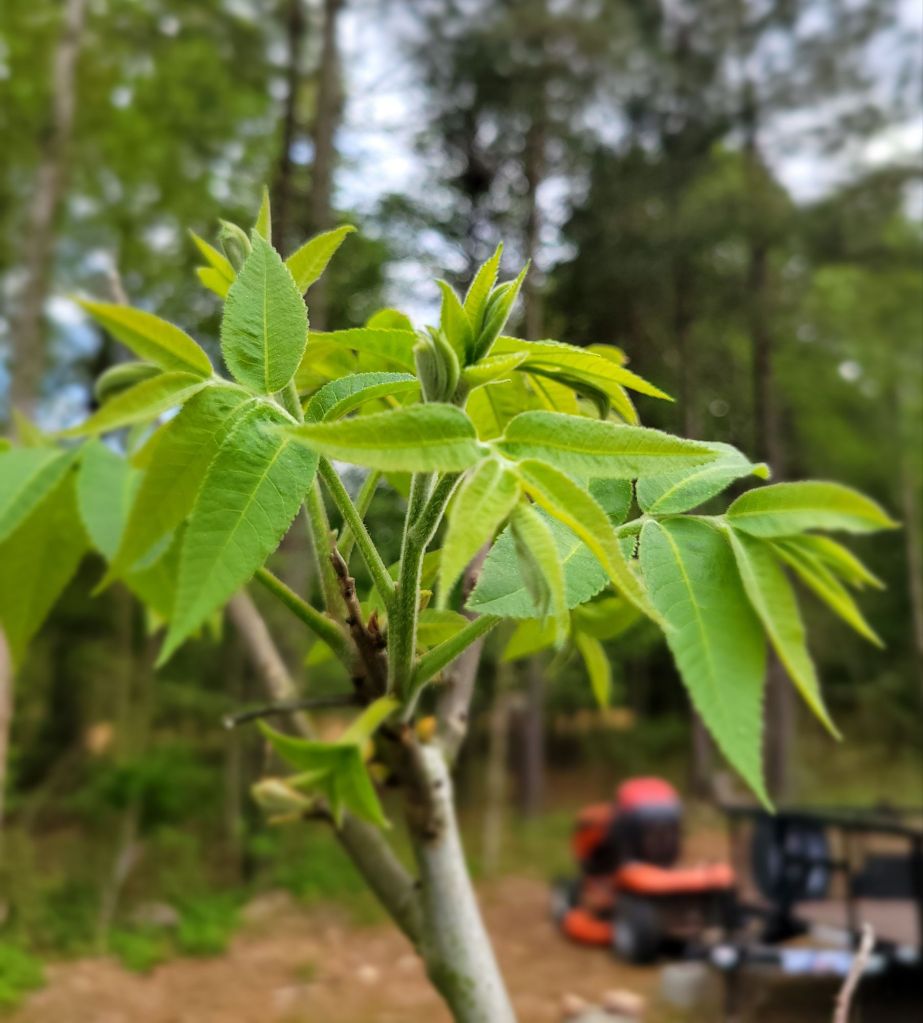
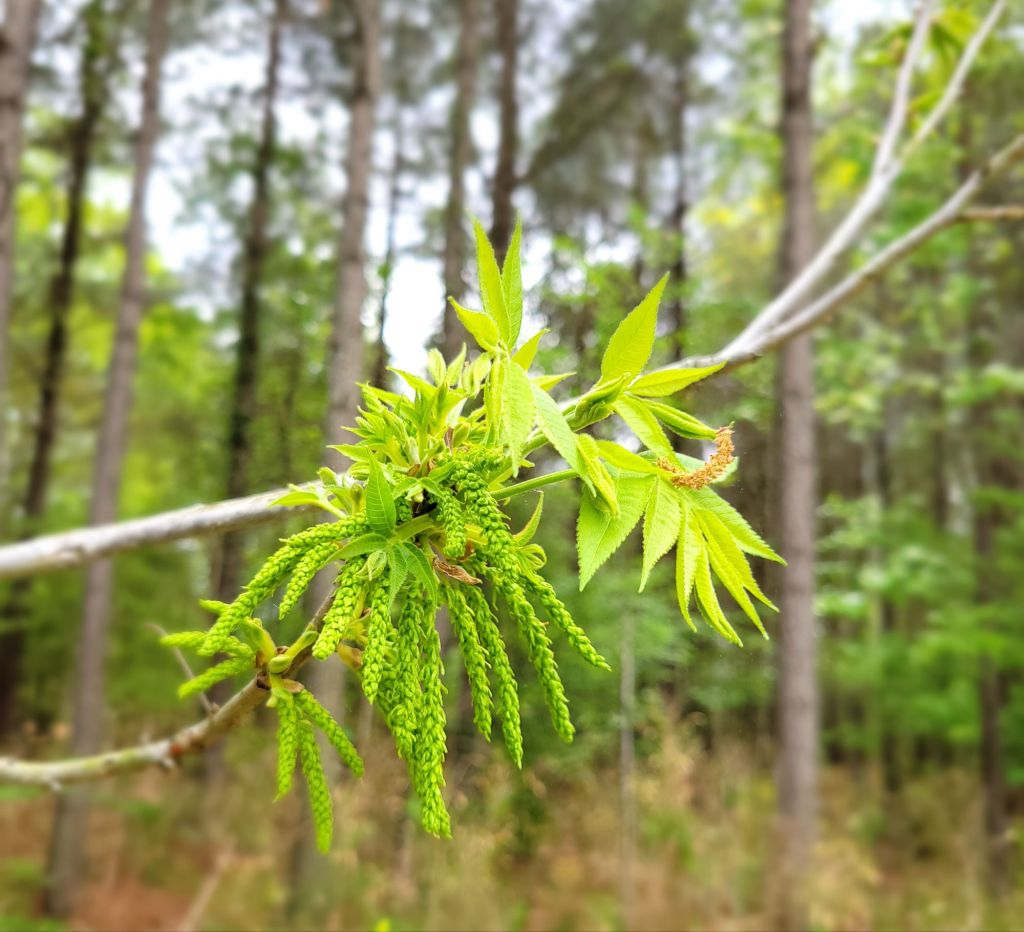
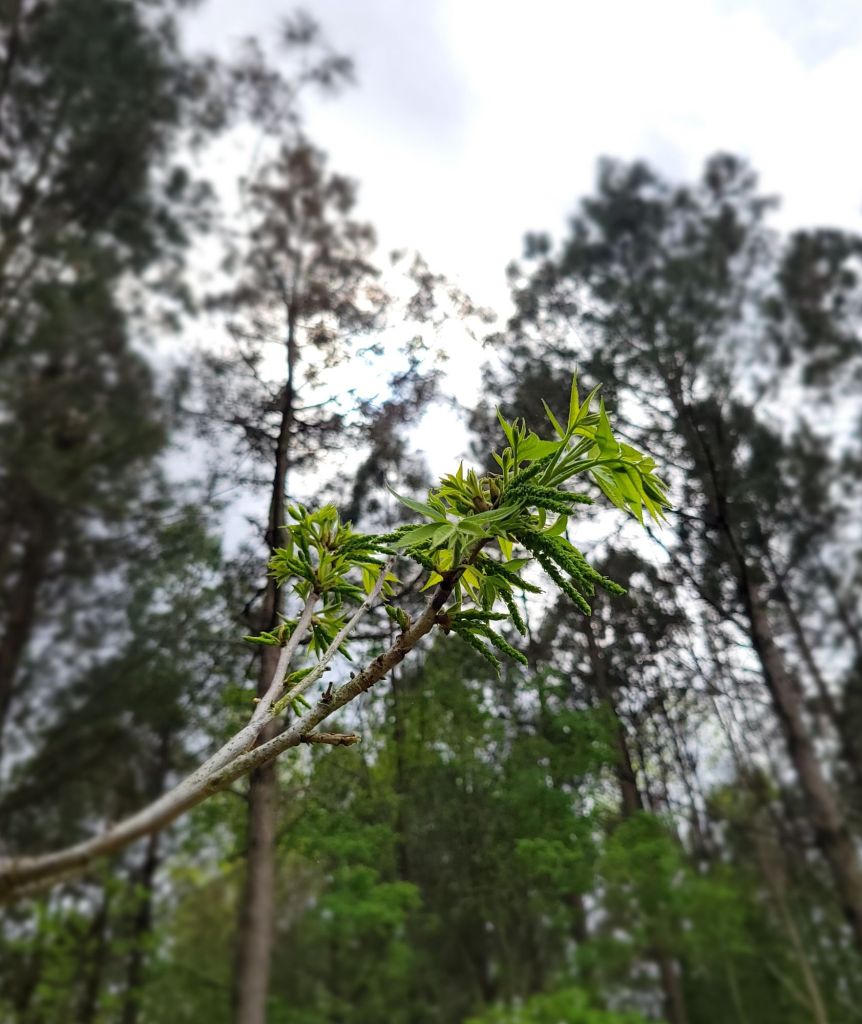
Unknown nut tree- transplanted from nearby woods, but unsure of type yet
Pecan tree (has yet to produce nuts over the last few years)
Pecan tree
Possibly a white violet (wildflower)
Ferns
Hosta
Beautiful dragonfly
Beautiful dragonfly

© Lauren Demuth
Embrace the Spiritual Pollen

I love spring. Everything is green and new. No matter how many times I experience it, I never get tired of seeing the budding, blossoming, and bees buzzing–the world comes to life again. Besides these signs of spring, there’s also another tell. One may even say it’s a nuisance or annoyance. I’m sure you guessed it: pollen. I don’t recall having seasonal allergies until a few years ago. Before that, I never really understood what people were feeling when they experienced them. But last weekend, as I worked in the garden to prepare for planting, I started to feel the symptoms: runny nose, itchy eyes and scratchy throat. The next morning, there was no mistaking the culprit as I looked to see my red car turned yellow. 

What’s interesting about pollen is that it’s not actually harmful to us. Rather, some people’s immune systems treat it as a threat, thereby creating antibodies and releasing histamine and other chemicals in their bodies. This is what creates all the nasty symptoms. Since I’ve been gardening I’ve come to realize the importance of pollen, and as I looked at my newly-coated car, I was not annoyed but rather in awe of God and His creation. Pollen is necessary for plant reproduction whether that be for conifers, fruit-bearing plants, or other types. It is an ingredient to grow life, how God made His creation to reproduce after their own kind. We see the clouds of pollen produced by trees that need the wind to help them reproduce. We see the bees carry the pollen from flower to flower and back to their hives, not only helping plants to bear fruit, but they produce food for themselves and for those of us brave enough to get it. 

As I thought more about this amazing process, God reminded me of our spiritual growth process as Christians. We have moments, trials, people, and other things in our lives that may seem like a nuisance or an annoyance. We may even fight against what’s happening to us. But what if some of those things are really spiritual pollen–helpful steps on our path to bear fruit? Just like many people’s bodies reject pollen and create a fighting response, sometimes we misunderstand these necessary steps in our lives as being harmful rather than helping us to bear fruit. Discipline is the first thing that comes to mind. 

“It is for discipline that you endure; God deals with you as with sons; for what son is there whom his father does not discipline? But if you are without discipline, of which all have become partakers, then you are illegitimate children and not sons. Furthermore, we had earthly fathers to discipline us, and we respected them; shall we not much rather be subject to the Father of spirits, and live? For they disciplined us for a short time as seemed best to them, but He disciplines us for our good, so that we may share His holiness. All discipline for the moment seems not to be joyful, but sorrowful; yet to those who have been trained by it, afterwards it yields the peaceful fruit of righteousness.” Hebrews 12:7-11 (NASB)

As Christians, we have both the Spirit and flesh warring daily, just like our bodies fighting off the pollen. While I’m not saying that all trials and difficult moments are from God, I believe that many of us recognize the moments where God is stretching and disciplining us in ways that may be uncomfortable or outside of what we want for ourselves. We may receive a nudge in a certain direction and be too afraid to step forward. We may be asked to forgive someone and relinquish bitterness that is hard to let go. We may be told to step out of a relationship that doesn’t honor God. Our goal is to become like Christ and our flesh will not let us do that easily. But thankfully the apostle John reminded us that “greater is He who is in you than he who is in the world” (1 John 4:4). James also encourages believers: 

“Consider it all joy, my brethren, when you encounter various trials, knowing that the testing of your faith produces endurance. And let endurance have its perfect result, so that you may be perfect and complete, lacking in nothing.” James 1:2-4

When we’re going through something that frustrates, annoys or confuses us, let us ask God first if we’re supposed to fight it, or if He is trying to lead us to a place to bear fruit. If we ask Him in faith, He will let us know. James continues to write in 1:5-8:

“But if any of you lacks wisdom, let him ask of God, who gives to all generously and without reproach, and it will be given to him. But he must ask in faith without any doubting, for the one who doubts is like the surf of the sea, driven and tossed by the wind. For that man ought not to expect that he will receive anything from the Lord, being a double-minded man, unstable in all his ways.”

If we want to take the pollen analogy one step further, we could say that taking an anti-histamine allows our bodies to return to normal, showing us that we really don’t have something harmful in us. But we can’t just take one allergy pill and be fine. Most instructions say to take one pill every 24 hours, which means that it’s a daily medicine for as long as it’s needed. In the same way, God’s truth–His Word–is our anti-histamine, allowing us to see the truth of what’s unfolding around us and in us. It is only His truth that leads us to bear fruit and the process involves some hard decisions, and yes, even trials. Our hope and assurance in making it through is that Christ already paid for us with His life. We just have to be willing to bear with a little pain now to reap the glorious rewards in His eternal kingdom. 

“Blessed be the God and Father of our Lord Jesus Christ, who according to His great mercy has caused us to be born again to a living hope through the resurrection of Jesus Christ from the dead, to obtain an inheritance which is imperishable and undefiled and will not fade away, reserved in heaven for you, who are protected by the power of God through faith for a salvation ready to be revealed in the last time. In this you greatly rejoice, even though now for a little while, if necessary, you have been distressed by various trials, so that the proof of your faith, being more precious than gold which is perishable, even though tested by fire, may be found to result in praise and glory and honor at the revelation of Jesus Christ; and though you have not seen Him, you love Him, and though you do not see Him now, but believe in Him, you greatly rejoice with joy inexpressible and full of glory, obtaining as the outcome of your faith the salvation of your souls.” 1 Peter 1:3-9

The next time you step outside and feel those symptoms start to take over your body, remember that it’s part of the process to bear fruit. Ask yourself (maybe after you take an allergy pill to clear your mind 😉 ) if there are areas in your life where God is disciplining you and teaching you so that you can also bear fruit. More importantly, ask God what work He is doing in you and where He desires to lead you. Instead of us letting our flesh dictate our emotional responses, let’s call on the Lord and let His Spirit guide us into wisdom so that we may produce a tremendous harvest for His kingdom.

© Lauren Demuth

Delight in the Lord- Psalm 37

I’ve been going through a bit of a trial lately. Without going into too much detail, I’ve basically been accused of willfully and knowingly deceiving a certain group. This came as a shock to me since I was as open and honest as possible with this group of people and always strived to be communicative and compliant with anything asked of me. Not only has it been difficult being called a liar, but there are potential financial ramifications involved. Needless to say, I was a bit stressed, frustrated and angry when this all started. However, I was able to prepare my case and make a defense before my accusers. Then I had to wait for the results. Waiting was the hard part because I kept going over the conversation in my head. Did I say everything I should have? Was my defense strong enough? Then I found out I missed the results letter and had to wait another day to get it. Instead of being patient and trusting the Lord, I let the stress and anger in my flesh come out against those who love me the most. When I confessed my sin and asked for forgiveness, I received this Scripture as a word of encouragement:

“Delight yourself in the Lord;

And He will give you the desires of your heart.

Commit your way to the Lord,

Trust also in Him, and He will do it.

He will bring forth your righteousness as the light

And your judgment as the noonday.

Rest in the Lord and wait patiently for Him;

Do not fret because of him who prospers in his way,

Because of the man who carries out wicked schemes.

Cease from anger and forsake wrath;

Do not fret; it leads only to evildoing.”

Psalm 37:4-8 (NASB)

While the journey isn’t over with this situation, I needed this reminder that the Lord is just and knows those who are His. Even if I don’t see how things turn out now, I know the end result: the Lord justifies the righteous and punishes the wicked. That truth will never change. My hope and trust should always be in Him no matter what the world tries to do. It is only victorious when I turn away from the Lord and listen to what it says about me. Rather, my focus should be that the Creator of the universe cares so much about me that He knows everything about what I’m going through and what the outcome will be. This Scripture illustrates that my actions ought to be directed towards God, not the world: 

I am to delight in Him. 

I am to commit my way to Him. 

I am to rest in Him. 

I am to wait patiently for Him. 

He will take care of the rest. It is my human, fleshly nature that wants to control everything about my life, thinking that I know better than the Lord. But in fact, I am one in Spirit with Him (John 17: 20-21; 1 Corinthians 6:17). Isn’t that amazing?! Not only am I made in the image of God, but I have a part of Him IN me as a believer in Christ, as do all of us who have accepted Christ. Paul writes about this in his letters to the churches:

“Do you not know that you are a temple of God and that the Spirit of God dwells in you? If any man destroys the temple of God, God will destroy him, for the temple of God is holy, and that is what you are.” 1 Corinthians 3:16-17

“But I say, walk by the Spirit, and you will not carry out the desire of the flesh. For the flesh sets its desire against the Spirit, and the Spirit against the flesh; for these are in opposition to one another, so that you may not do the things that you please.” Galatians 5:16-17

This battle with our flesh and spirit is real. We all feel it every day. Imagine who we would be individually and as a church if we truly walked by the Spirit, denying our flesh its desires. We will never be perfect until we’re with the Lord, but wow, what an impact we’d have in our families, churches, work places, and anywhere we went! While such a feat feels impossible, the Lord is always with us, and as a Father who loves His children, He desires for us to place our hope, trust and rest in Him.

The Lord knows my situation and yours. Let us pray for one another and encourage one another in the truth of His Word. We are already victorious in Him!

~~~

As a way to help me remember this Scripture, I used AI to help create a song based on Psalm 37 called “Delight in the Lord”: Delight in the Lord

© Lauren Demuth

Love Your Neighbor as Yourself

“You shall do no injustice in judgment; you shall not be partial to the poor nor defer to the great, but you are to judge your neighbor fairly. You shall not go about as a slanderer among your people, and you are not to act against the life of your neighbor; I am the Lord. You shall not hate your fellow countryman in your heart; you may surely reprove your neighbor, but shall not incur sin because of him. You shall not take vengeance, nor bear any grudge against the sons of your people, but you shall love your neighbor as yourself; I am the Lord.” Leviticus 19:15-18 (NASB)

“And a lawyer stood up and put Him (Jesus) to the test, saying, ‘Teacher, what shall I do to inherit eternal life?’ And He said to him, ‘What is written in the Law? How does it read to you?’ And he answered, ‘You shall love the Lord your God with all your heart, and with all your soul, and with all your strength, and with all your mind; and your neighbor as yourself.’ And He said to him, ‘You have answered correctly; do this and you will live.’ But wishing to justify himself, he said to Jesus, ‘And who is my neighbor?’” Luke 10:25-29 

When I was in college taking courses for my Intercultural Studies degree, the question of “who is my neighbor?” would come up in discussion. Is it my actual neighbor who lives next door? Is it anyone who is poor and in need? Is it a tribe in another part of the world? Often the answer to this question is that our neighbor is one outside the church. However, Scripture teaches the exact opposite. In every context, the Lord is speaking about loving one’s neighbor whether he is a fellow Israelite or one who joined the Israelites (OT), or a fellow brother and sister in Christ once the church was established (NT). People use the parable of the Good Samaritan as an example of one who ministers to anyone in need. But let’s look at the context of that story which follows Jesus’ words to the lawyer who asks, ‘And who is my neighbor’? (Luke 10:29):

“Jesus replied and said, ‘A man was going down from Jerusalem to Jericho, and fell among robbers, and they stripped him and beat him, and went away leaving him half dead. And by chance a priest was going down on that road, and when he saw him, he passed by on the other side. Likewise a Levite also, when he came to the place and saw him, passed by on the other side. But a Samaritan, who was on a journey, came upon him; and when he saw him, he felt compassion, and came to him and bandaged up his wounds, pouring oil and wine on them; and he put him on his own beast, and brought him to an inn and took care of him. On the next day he took out two denarii and gave them to the innkeeper and said, ‘Take care of him; and whatever more you spend, when I return I will repay you.’ Which of these three do you think proved to be a neighbor to the man who fell into the robbers’ hands?’ And he said, ‘The one who showed mercy toward him.’ Then Jesus said to him, ‘Go and do the same.’” Luke 10:30-37

The first noteworthy point is that Jesus is speaking to a lawyer, a Jew who understands the Law given by God to Moses. The part of the Law that cites loving your neighbor as yourself is in Leviticus (written above) and specifically addresses their own countryman, or fellow Israelites. This is what the lawyer would have understood. Jesus tells a parable of a man coming down from Jerusalem who is most likely a Jew who may have gone up to make a sacrifice or offering in the temple. On his way to Jericho, he is beaten up by robbers and left for dead. The first two people who see him are a priest and Levite, both well acquainted with the Law and should understand to love their neighbor as themselves. But they don’t. Rather, they walk on the opposite side, perhaps not wanting to be defiled by this man. However, the third man, a Samaritan, viewed as an enemy of the Jews, is the one who not only takes care of his immediate needs, but he even pays for the innkeeper to take care of him. The one who did not understand the Law did the deeds required by the Law (which is reminiscent of Paul’s words about the Gentiles in Romans 2:12-16) whereas the ones who claimed to follow it did not keep the Law. What Jesus is pointing out is that while the lawyer understands the right answer to his question about eternal life, he and others like him are not following the truth. They condemn themselves by being a hearer of the Law but not doers. 

Another important point is that the Samaritan wasn’t going out of his way to find someone in need. Rather, when the opportunity presented itself, he chose to act and help. Too often we go out of our way to help others because that is what seems right or what the world tells us to do, but yet, we miss the opportunities right in front of us. Do we take care of our earthly family if possible? Do we take care of the body of Christ? Throughout the entire New Testament (and as we just read the Old Testament too), each letter addresses how we ought to act towards one another as brothers and sisters in Christ. 

Jesus is still under the Law during His earthly ministry, but He does not nullify the Law after resurrection; rather He fulfills it. The motive of the Law- loving God and loving our neighbor- is still front and center in a Christian life. In Romans 13, Paul addresses loving one’s neighbor to the church in Rome who is struggling between what being a Christian looks like for both Jews and Gentiles:

“Owe nothing to anyone except to love one another; for he who loves his neighbor has fulfilled the law. For this, ‘You shall not commit adultery, You shall not murder, You shall not steal, You shall not covet,’ and if there is any other commandment, it is summed up in this saying, ‘You shall love your neighbor as yourself.’ Love does no wrong to a neighbor; therefore love is the fulfillment of the law.” Romans 13:8-10

In Romans 14, Paul continues to address this idea of loving one’s neighbor by not being a stumbling block to a brother or sister in Christ. While one’s conscience is clear doing one thing, it may be a sin to someone else. Being a neighbor is being mindful of who you’re around and not intentionally doing something to cause someone else to stumble. Rather, Paul writes in vv. 16-19: 

“Therefore do not let what is for you a good thing be spoken of as evil; for the kingdom of God is not eating and drinking, but righteousness and peace and joy in the Holy Spirit. For he who in this way serves Christ is acceptable to God and approved by men. So then we pursue the things which make for peace and the building up of one another.”

In Galatians, Paul addresses the issue of circumcision which was an important issue in the early church because it divided the Jewish and Gentile Christians. While some were still trying to follow the letter of the Law and lead others to do so, Paul addressed that Gentiles were not required to be circumcised in order to be Christians. The motive of those teaching circumcision was out of a fleshly desire to keep following the Law (and not be persecuted by non-Christian Jews- Galatians 5:12) rather than be free in Christ. Therefore, Paul writes:

“For you were called to freedom, brethren; only do not turn your freedom into an opportunity for the flesh, but through love serve one another. For the whole Law is fulfilled in one word, in the statement, ‘You shall love your neighbor as yourself.’ But if you bite and devour one another, take care that you are not consumed by one another. But I say, walk by the Spirit, and you will not carry out the desire of the flesh.” Galatians 5:13-16

James is even more to the point as he writes to Jewish Christians about how they are to act and treat one another within the body of Christ: “Therefore, putting aside all filthiness and all that remains of wickedness, in humility receive the word implanted, which is able to save your souls. But prove yourselves doers of the word, and not merely hearers who delude themselves” (James 1:21-22). He continues by telling them to show no partiality among believers, namely, giving the rich special attention and treating poor believers dishonorably.

“If, however, you are fulfilling the royal law according to the Scripture, ‘You shall love your neighbor as yourself,’ you are doing well. But if you show partiality, you are committing sin and are convicted by the law as transgressors. For whoever keeps the whole law and yet stumbles in one point, he has become guilty of all.” James 2:8-10

In my life, the book of James has been one that constantly convicts me, especially as James continues to give an example of how to treat our neighbors:

“What use is it, my brethren, if someone says he has faith but he has no works? Can that faith save him? If a brother or sister is without clothing and in need of daily food, and one of you says to them, ‘Go in peace, be warmed and be filled,’ and yet you do not give them what is necessary for their body, what use is that? Even so faith, if it has no works, is dead, being by itself.” James 2:14-17

We like to say nice and encouraging things to one another as Christians. We know the right verses to say and the right tone. But what are we actually doing for one another? Do we know the needs of our brothers and sisters around us? Do we ask? Do we observe? Do we work out our salvation with fear and trembling knowing that the Lord will judge us according to how we judge? Do we think about what we say before we say it? Are our words edifying? Do our actions line up with what we speak?

“Who among you is wise and understanding? Let him show by his good behavior his deeds in the gentleness of wisdom. But if you have bitter jealousy and selfish ambition in your heart, do not be arrogant and so lie against the truth. This wisdom is not that which comes down from above, but is earthly, natural, demonic. For where jealousy and selfish ambition exist, there is disorder and every evil thing. But the wisdom from above is first pure, then peaceable, gentle, reasonable, full of mercy and good fruits, unwavering, without hypocrisy. And the seed whose fruit is righteousness is sown in peace by those who make peace.” James 3:13-18

James does not mince words. The wisdom of the world consists of jealousy and self ambition, and as James puts it, is demonic. This type of wisdom creates “disorder and every evil thing.” In other words, it is not loving one’s neighbor which requires humility and putting others before ourselves. Look at the adjectives describing godly wisdom: pure, peaceable, gentle, reasonable, merciful, fruitful, unwavering, without hypocrisy–everything loving one’s neighbor should be. When we struggle with this, we should ask ourselves some questions. Would I want to receive mercy? Do I want to be spoken to with gentleness? Do I want someone to be hypocritical towards me? Do I want peaceful or wrathful discussion? Just by typing these questions I’m already convicted about my own behavior. Too often I act before I think things through, causing problems that could have been avoided. Once they’re out, words can’t be taken back even when people forgive. How often has an angry word split a church or caused strife among the body of Christ? James talks about this too because even in the early church many divisions and arguments arose. Let’s use this as an opportunity to avoid these issues or fix them if they’re already going on:

“What is the source of quarrels and conflicts among you? Is not the source your pleasures that wage war in your members? You lust and do not have; so you commit murder. You are envious and cannot obtain; so you fight and quarrel. You do not have because you do not ask. You ask and do not receive, because you ask with wrong motives, so that you may spend it on your pleasures. You adulteresses, do you not know that friendship with the world is hostility toward God? Therefore whoever wishes to be a friend of the world makes himself an enemy of God.” James 4:1-4

When we fight among ourselves in the church, we are acting as the world does. And if we are befriending the world and its wisdom, we make ourselves enemies of God. Simple and to the point. We commit adultery against God because as His bride we are choosing to be betrothed to the world instead of Him when we act like this. Why doesn’t this move us to make change? Why don’t we have fear of the Lord and His judgment? And yes, I mean fear, not simply respect. The One who judges our very soul is telling us to love one another, but what does the world see about Christians? Do they see what Jesus prayed for His disciples (both the Twelve and future disciples) in John 17:22-23?

“The glory which You have given Me I have given to them, that they may be one, just as We are one; I in them and You in Me, that they may be perfected in unity, so that the world may know that You sent Me, and loved them, even as You have loved Me.”

Our love for one another as brothers and sisters in Christ is supposed to be our testimony to the world. Not how big or small one’s church is. Not charismatic preachers. Not the best worship bands. Not catchy Bible verses used out of context. Not how many mission trips we go on. Not how many services we attend each week. Not how much money we give. If true Christians, united in the essentials of what Christianity should be, actually come together, take care of one another, and live peaceably together, there is no telling how powerful of a testimony that would be to the rest of the world. John writes constantly about loving one another, thus also following Jesus’ words and the motive of the Law:

“The one who says he is in the Light and yet hates his brother is in the darkness until now. The one who loves his brother abides in the Light and there is no cause for stumbling in him. But the one who hates his brother is in the darkness and walks in the darkness, and does not know where he is going because the darkness has blinded his eyes.” 1 John 2:9-11

Again, the context here is about a brother (or sister) in Christ. He continues in vv. 14-17:

“Do not love the world nor the things in the world. If anyone loves the world, the love of the Father is not in him. For all that is in the world, the lust of the flesh and the lust of the eyes and the boastful pride of life, is not from the Father, but is from the world. The world is passing away, and also its lusts; but the one who does the will of God lives forever.”

Scripture is black and white. We either love God or the world. If we love God, our actions (not just words) will show it. If we love the world, our fruit will be obvious, as Paul writes in Galatians 5:19-26:

“Now the deeds of the flesh are evident, which are: immorality, impurity, sensuality, idolatry, sorcery, enmities, strife, jealousy, outbursts of anger, disputes, dissensions, factions, envying, drunkenness, carousing, and things like these, of which I forewarn you, just as I have forewarned you, that those who practice such things will not inherit the kingdom of God. But the fruit of the Spirit is love, joy, peace, patience, kindness, goodness, faithfulness, gentleness, self-control; against such things there is no law. Now those who belong to Christ Jesus have crucified the flesh with its passions and desires. If we live by the Spirit, let us also walk by the Spirit. Let us not become boastful, challenging one another, envying one another.”

Loving our neighbor as ourselves begins in the church. If we can’t get the house of God in order, how do we expect the world, which is Satan’s domain, to come to know the Lord? To be as blunt as Jesus, Paul, James and John, as the church we have committed adultery against the Lord God just like ancient Israel did. But it isn’t too late. The grace and mercy of God allows us to approach His throne in repentance and ask for help:

“Therefore, since we have a great high priest who has passed through the heavens, Jesus the Son of God, let us hold fast our confession. For we do not have a high priest who cannot sympathize with our weaknesses, but One who has been tempted in all things as we are, yet without sin. Therefore let us draw near with confidence to the throne of grace, so that we may receive mercy and find grace to help in time of need.” Hebrews 4:14-16

Change begins with our repentance: “Therefore, to one who knows the right thing to do and does not do it, to him it is sin” (James 4:17). We have the Word of God. We’ve heard it, read it, and confessed it; therefore, we are all accountable for its truth. We have no excuse. Will we love one another as the Lord God has instructed since creation? We will be the light we are called to be?

~~~

Father, forgive me for acting with worldly wisdom rather than Your wisdom. Help me to love my neighbor as You commanded, building up Your body in love and truth, meeting needs where You present opportunity. Help us as the church to be a light to this world by the love we show one another. Convict our hearts and remind us that fearing You and You alone is the beginning of wisdom. Thank you for the mercy and grace You show us each day and that we can approach You for forgiveness and help. May we desire to follow Your will and crucify our flesh from what it desires. May You be glorified above all things. Amen.

© Lauren Demuth